Problematic gaming
Difficulty disengaging from games, escalating conflict over time spent playing, and the sense that gaming has shifted from a hobby to the only thing that feels good. We look at what gaming is doing and build a steadier balance.
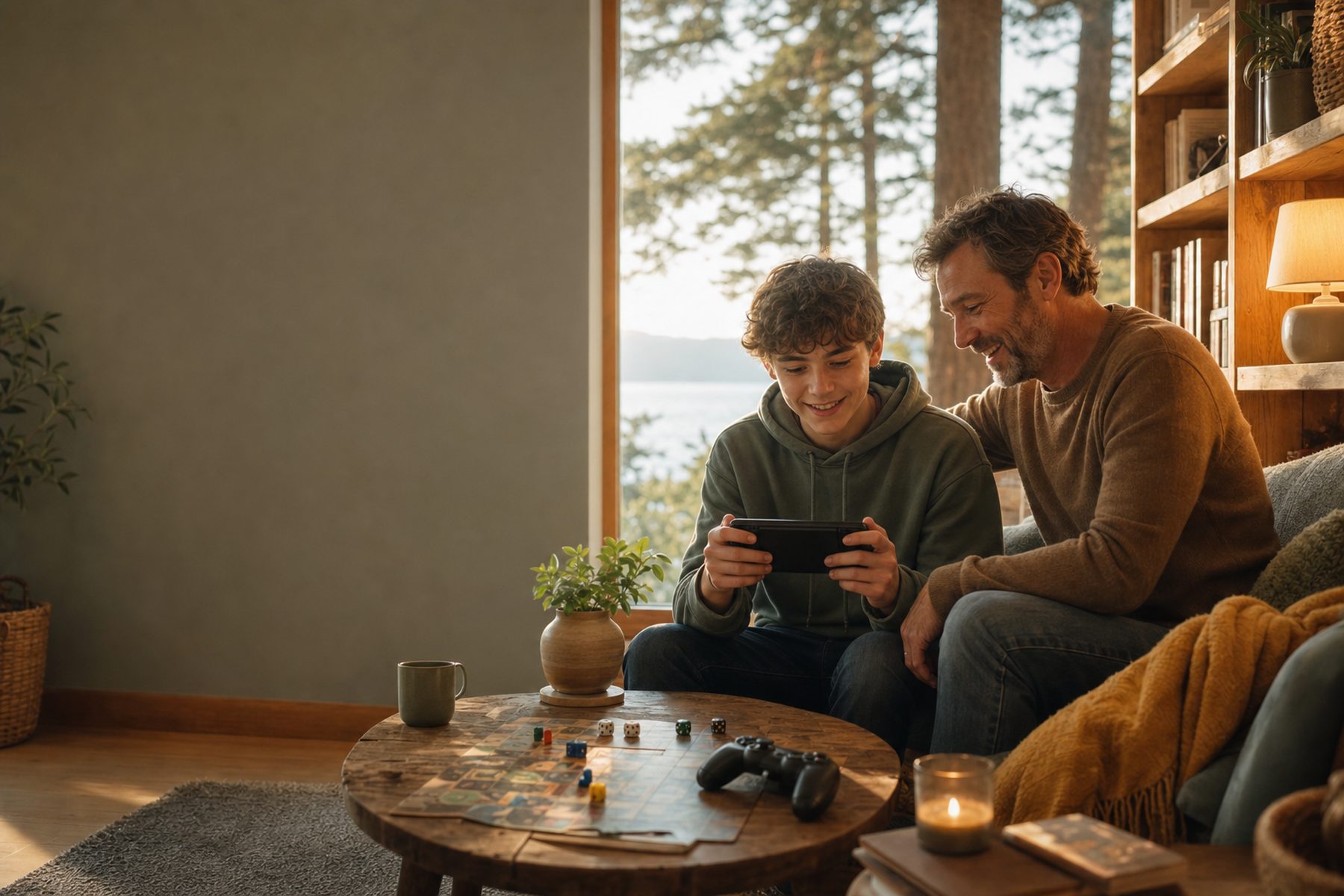
Technology & Gaming
Screens are part of how we work, learn, connect, and unwind. When they start to cause stress at home or get in the way of life, the answer is rarely to simply take them away. It's to understand what the behaviour is doing.
Gaming, social media, and being online are not problems in themselves. For many people they are a source of connection, creativity, and rest. Difficulty usually shows up when technology becomes the main way someone copes with stress, avoids something painful, or holds difficult feelings at bay, and when that pattern starts crowding out sleep, school, work, or relationships.
I work with this honestly and without shame. Rather than labelling someone as addicted, I get curious about the function the behaviour is serving. What does the game or the feed provide that is harder to find elsewhere? What feeling does it soothe? Once we understand that, we can build other ways of meeting the same need, and the pull of the screen tends to loosen on its own.
What this can look like
Difficulty disengaging from games, escalating conflict over time spent playing, and the sense that gaming has shifted from a hobby to the only thing that feels good. We look at what gaming is doing and build a steadier balance.
Endless scrolling that leaves you feeling worse, comparison that erodes mood, and the hard-to-break habit of reaching for the phone. We work on the relationship between the feed and how you feel.
Recurring arguments about screen time, devices at the dinner table, and bedtimes that slip later and later. Families find shared language and agreements that actually hold.
Using games or scrolling to step away from school, work, or difficult feelings. We explore what is being avoided and build the capacity to face it with support.
For many people, screens are a way to self-soothe or regulate. We honour that, then widen the toolkit so technology is one option among many rather than the only one.
Not everyone wants to cut back dramatically. Sometimes the goal is simply a healthier, more intentional relationship with technology that fits the life you want.
Whether I am working with a teen, an adult, or a whole family, the principle is the same. Behaviour makes sense in context. You are not the problem, and your child is not the problem. You are working with what you have, in a world that is genuinely designed to hold your attention. From that starting point, real change becomes possible.
Reach out with a few words about what is happening. We can talk about what might be going on beneath the behaviour and what support could help.